
Restaurer la dignité humaine : au-delà de l’aide, redonner une place
-
by
 info@lareshu.org
 - No Comments on Restaurer la dignité humaine : au-delà de l’aide, redonner une place
 info@lareshu.org
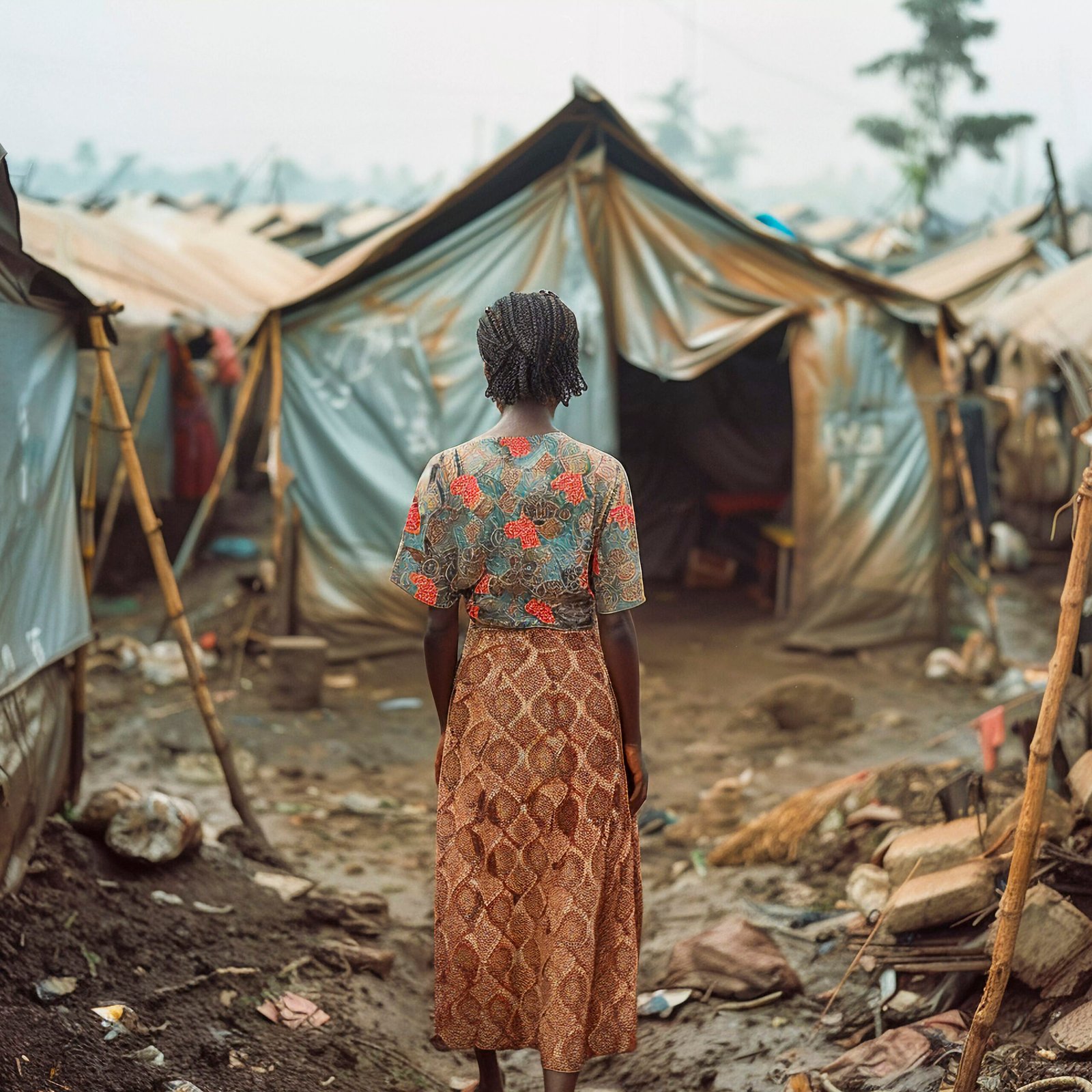
Dans de nombreuses régions du monde, la vulnérabilité ne se résume pas à un manque de ressources. Elle s’exprime aussi dans le regard, dans le silence, dans cette perte invisible mais profonde : la dignité humaine.
Restaurer la dignité, ce n’est pas simplement apporter une aide matérielle. C’est reconnaître la valeur de chaque individu, lui redonner une voix, une place, et la capacité d’agir pour lui-même et pour sa communauté.
Quand la dignité est fragilisée
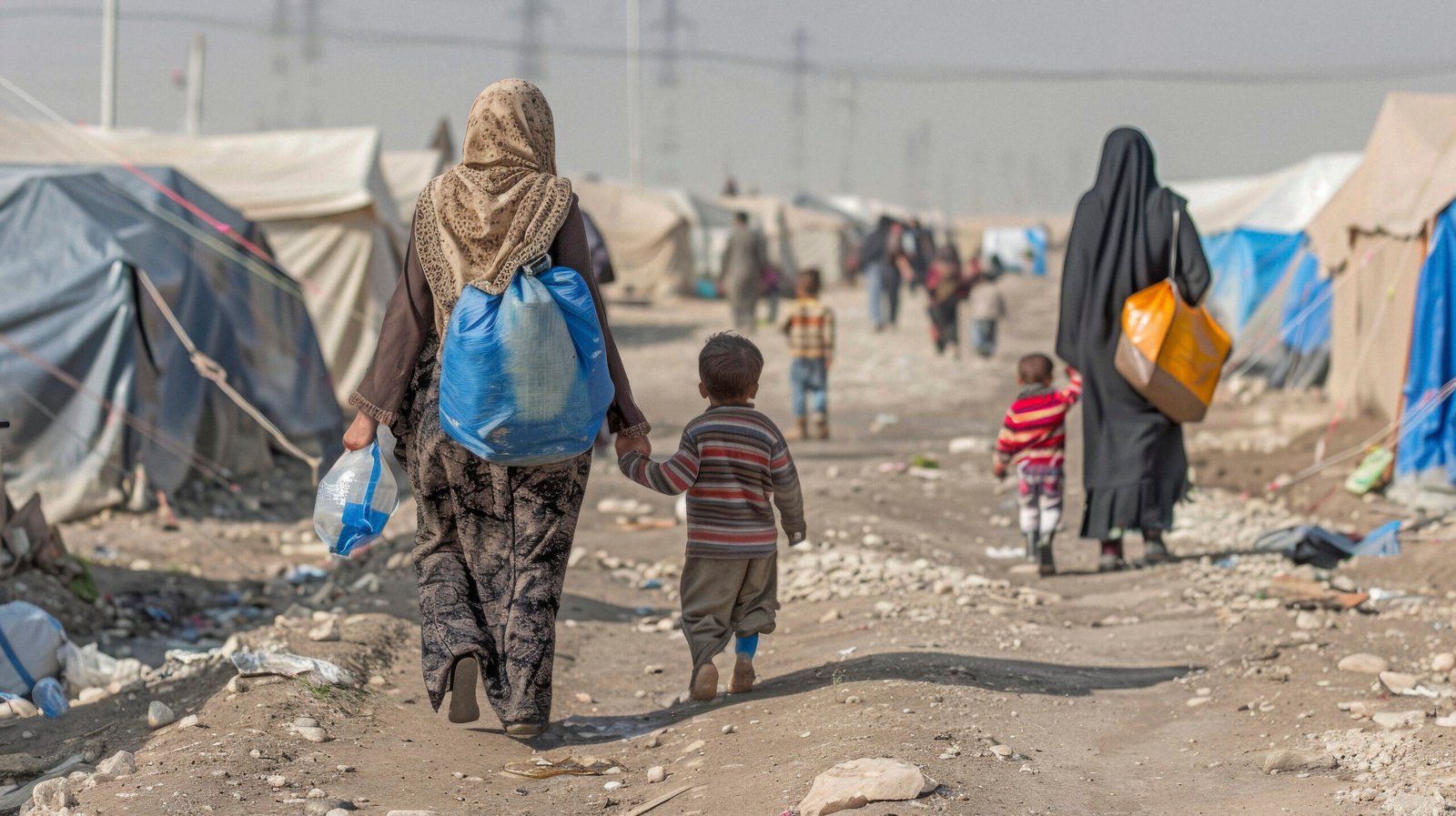
La pauvreté, les crises humanitaires, les conflits ou encore l’exclusion sociale ont un impact bien au-delà des conditions de vie. Elles affectent profondément la perception que les individus ont d’eux-mêmes.
Perdre l’accès à des soins de santé, à l’éducation ou à des moyens de subsistance dignes, c’est souvent perdre aussi la confiance, l’autonomie et l’espoir.
Et pourtant, derrière chaque situation difficile, il y a une personne, une histoire, une volonté de se relever.
Restaurer la dignité, c’est écouter avant d’agir
Agir pour la dignité humaine commence par une chose essentielle : l’écoute.
Comprendre les besoins réels, respecter les cultures, impliquer les communautés dans les décisions qui les concernent — ce sont ces éléments qui transforment une simple aide en un véritable levier de transformation.
Une action imposée peut répondre à un besoin immédiat.
Une action construite avec les communautés crée un changement durable..
Des actions qui redonnent du pouvoir
Restaurer la dignité, c’est aussi permettre aux individus de reprendre le contrôle de leur vie.
Cela passe par :
- l’accès à des soins de qualité
- l’éducation et la formation
- le soutien à des activités génératrices de revenus
- la participation active aux projets communautaires
Chaque initiative, aussi simple soit-elle, devient un pas vers l’autonomie et la reconnaissance.
La dignité, au cœur de chaque intervention
Dans chaque action menée sur le terrain, la dignité ne doit jamais être une conséquence… elle doit être un point de départ.
Cela signifie intervenir avec respect, sans stigmatisation, en valorisant les capacités et les forces des personnes accompagnées.
Car aider, ce n’est pas faire à la place de l’autre.
C’est créer les conditions pour qu’il puisse avancer par lui-même.
These stories remind us that every donation matters—because behind every number is a child whose life has been changed.
Un engagement collectif
Restaurer la dignité humaine est une responsabilité partagée. Organisations, institutions, communautés, citoyens : chacun a un rôle à jouer.
Chaque geste compte. Chaque engagement contribue à bâtir un monde où chacun peut vivre avec respect, sécurité et considération.
Au fond, restaurer la dignité humaine, c’est redonner bien plus que des ressources.
C’est redonner confiance.
C’est redonner des opportunités.
C’est redonner un avenir.
Et surtout, c’est rappeler à chacun qu’il a de la valeur.